

As an Amazon Associate, North Texas DBT Associates earns from qualifying purchases. All links on this page are paid links.
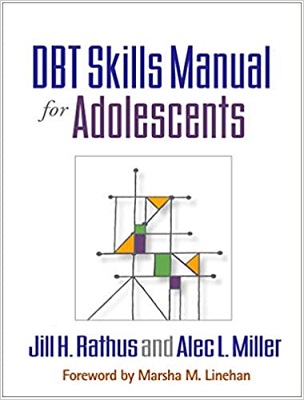
DBT Skills Manual for Adolescents
Written by Jill Rathus and Alec Miller, leaders in adapting DBT for young people, this manual lays out how to teach dialectical behavior therapy skills to teens and their families. Alongside the core DBT modules it adds “Walking the Middle Path,” a section built specifically for common adolescent and family struggles. Clinicians get practical teaching guidance, while the format keeps the skills approachable for younger clients. It is a standard reference for any DBT program working with adolescents.
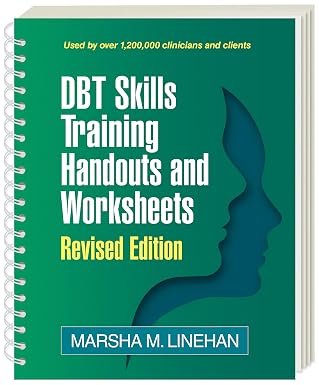
DBT Skills Training Handouts and Worksheets for Adults
In the revised edition of this indispensable resource, the handouts and worksheets for each skill are grouped together, making the book even easier to use. Clients get quick access to the tools needed for learning and practicing any Dialectical Behavior Therapy (DBT) skill. All four DBT skills modules are included–mindfulness, interpersonal effectiveness, emotion regulation, and distress tolerance–each with a brief introduction written expressly for clients. In a convenient, spiral-bound 8 1/2″ x 11″ format, the book features more than 225 reproducible handouts and worksheets. The materials are updated throughout to feature more inclusive language and reflect changes in technology and daily life.
For Parents

Brainstorm
Psychiatrist Daniel Siegel reframes adolescence not as a phase to survive but as a period of vital brain development. He explains the changes happening in the teenage brain and how they shape emotion, risk-taking, relationships, and creativity. The result is a more compassionate, science-based way for parents and teens to understand this stage of life. It complements DBT’s emphasis on emotion regulation during the teen years.
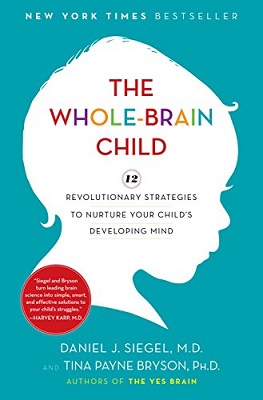
The Whole-Brain Child
Daniel Siegel and Tina Payne Bryson give parents a practical framework for how a child’s brain develops and how to respond during big emotions and meltdowns. The book lays out simple strategies for helping kids integrate the logical and emotional sides of the brain. Each idea comes with plain-language, everyday examples parents can use immediately. It is a widely recommended starting point for raising emotionally healthy, resilient children.
Other Resources

Building a Life Worth Living
This is the memoir of Marsha Linehan, the psychologist who created dialectical behavior therapy. She shares her own experience of intense emotional suffering and how that journey led her to develop a treatment that has helped countless people. It is part personal story and part the origin of DBT and its central goal of building “a life worth living.” Readers often find it both moving and genuinely hopeful, especially anyone connected to DBT.
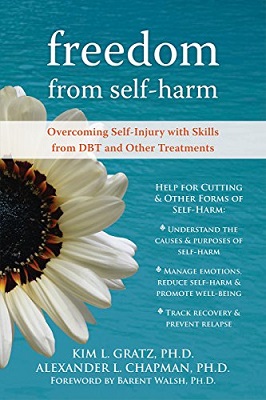
Freedom from Self-Harm: Overcoming Self-Injury with Skills from DBT and Other Treatments
Researchers Kim Gratz and Alexander Chapman offer a supportive, evidence-informed guide for people who struggle with self-harm. It explains why self-injury happens and walks readers through skills and strategies for healthier ways to cope, drawing on approaches like DBT. The tone is practical and non-judgmental throughout. It is written both for individuals working on their own and for the people who care about them.
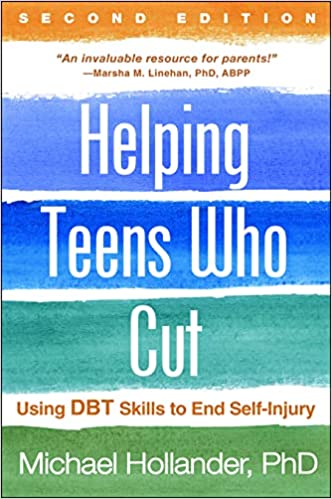
Helping Teens Who Cut, Second Edition: Using DBT Skills to End Self-Injury
Psychologist Michael Hollander wrote this guide to help parents understand and respond to adolescent self-harm. It covers what drives self-injury, how to talk about it without making things worse, and what effective treatment looks like, including DBT-based approaches. The aim is to replace fear and confusion with a clear plan of action. It is a reassuring resource for families navigating a frightening situation.

Parenting from the Inside Out: How a Deeper Self-Understanding Can Help You Raise Children Who Thrive
Daniel Siegel and Mary Hartzell explore how a parent’s own history and self-understanding shape the way they raise their children. Drawing on attachment research and brain science, they show how making sense of your past helps you respond to your kids with more presence and patience. It blends accessible science with practical self-reflection. The result is a thoughtful guide for parents who want to break old patterns and build stronger connections.
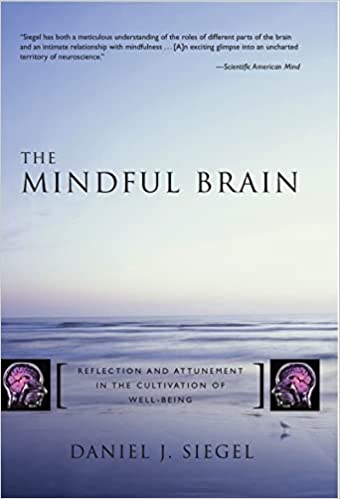
The Mindful Brain: Reflection and Attunement in the Cultivation of Well-Being
Daniel Siegel examines how mindfulness practice affects the brain and supports emotional well-being. He connects the simple act of paying attention in the present moment to the science of how the mind and brain develop. The book bridges contemplative practice and neuroscience for clinicians and curious readers alike. It is a deeper look at why mindfulness, a core DBT skill, can be so powerful.

The Developing Mind, Third Edition: How Relationships and the Brain Interact to Shape Who We Are
This is Siegel’s foundational work on interpersonal neurobiology, exploring how relationships and the brain shape one another across a lifetime. It examines how early experiences influence emotion, memory, and the sense of self. More in-depth and academic than his parenting books, it is aimed at readers who want the underlying theory. It is a cornerstone text for understanding how connection shapes the developing mind.

The High-Conflict Couple: A Dialectical Behavior Therapy Guide to Finding Peace, Intimacy, and Validation
Alan Fruzzetti adapts DBT skills for relationships in this guide for couples stuck in cycles of conflict. It teaches acceptance, validation, and emotion-management tools that help partners de-escalate and actually understand each other. The focus is on changing how couples interact rather than assigning blame. It is a practical resource for partners who want to communicate with less reactivity and more closeness.